I would consider myself to be a bit of a chicken pox expert.
You see, I had them when I was 29. Oh yes, the real chicken pox, and not the shingles, as everyone asks when I tell them the story.
‘But didn’t you have them as a kid?’ they’ll enquire.
And this is the best bit; I LOVE telling people that my mum is ‘pretty sure’ that I had the chicken pox when I was a kid, but wouldn’t bet her house on it (thanks mum!).
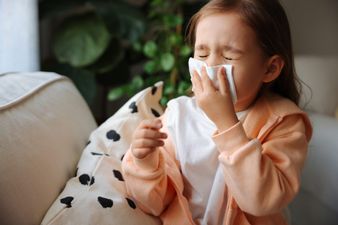
I, on the other hand, doubt I’ll ever forget that my two kids had the chicken pox because they were kind enough to have them at the same time last summer!
It all took about three weeks between the two of them to get through it and we all came out the other side ok.
Here are 6 top tips to see you through when the chicken pox arrives at your house:
1. Don’t panic
Remember, we’re the grown ups! I am always devastated when my kids are sick or they hurt themselves but I try to keep a brave face on for the kids. If I freak out, I know they will too!
2. Cancel everything
Daycare is out, going to work is out, family events are out, being in public is out – although some people might say that they are keen for their kids to have the chicken pox and get it over with, you can’t account for everyone. Get busy finding ways to entertain yourselves and the kid or kids within the confines of your house and garden until the worst is over.
3. Keep them cool and hydrated
Chicken pox are generally accompanied by high temperatures, so manage that with the recommended dosage of paracetamol for your child’s age and stock up on ice cream and ice pops. Try to get as much fluids into them as possible if they are off their food, to avoid dehydration.
4. Choose an anti-itch ointment
My mum used to always used Calamine lotion for chicken pox or sunburns, but there are way better products to use now. ViraSoothe have a clear gel and a spray which has been made specifically with children in mind and will help prevent them from scratching.
5. Keep everything clean
Try to assign one towel and facecloth for your sick child and keep them washed regularly. Same goes for bedclothes and PJs – wash and change them often, both for your child’s comfort and to minimise the spreading of spots.
6. Bathe them often
Cool or tepid bath water is really all your child can handle when they have the chicken pox, so keep the temperature low. A bath also helps keep the spots clean which in turn will help prevent further infection.
The red spots and blisters associated with chickenpox can often become itchy, inflamed and infected with bacteria. Scratching these areas can spread infection and lead to scarring. The best thing to do is to use a cooling gel, such as ViraSoothe, to soothe the skin and relieving the affected areas, reducing the urge to scratch. For more information, click here.