Skin tags are described as ‘small growths that hang off your skin’ by the NHS.
These can be a source of insecurity for many, according to new research carried out by Excilor, that found 70% of those with a skin-tag feel embarrassment about them.
Skin-tags are actually quite common and can develop on both genders, particularly for women facing hormonal changes such as pregnancy, older people, and those who are overweight or have type 2 diabetes.
While they are not contagious or usually painful, they can be removed if they become bothersome.
A GP, Dr. Gill Jenkins, who is advisor to Excilor has provided more insight into skin tags and what they are, as well as sharing the latest findings from the survey about them and solutions to tackle them.
The research found that just 30% of respondents who have developed a skin tag in the past, said that it didn’t make them feel insecure.
In parallel, of those who did say skin tags made them feel self-conscious, 20% said it makes them feel ‘very’ self-conscious whilst 28% said ‘somewhat’ self-conscious.

Dr Gill Jenkins explains that skin tags can vary in colour or size and can be anywhere from a few millimetres up to 5cm wide.
“Sometimes skin tags can look like warts, however, more often than not they’re smoother and softer and they tend to hang off the skin.
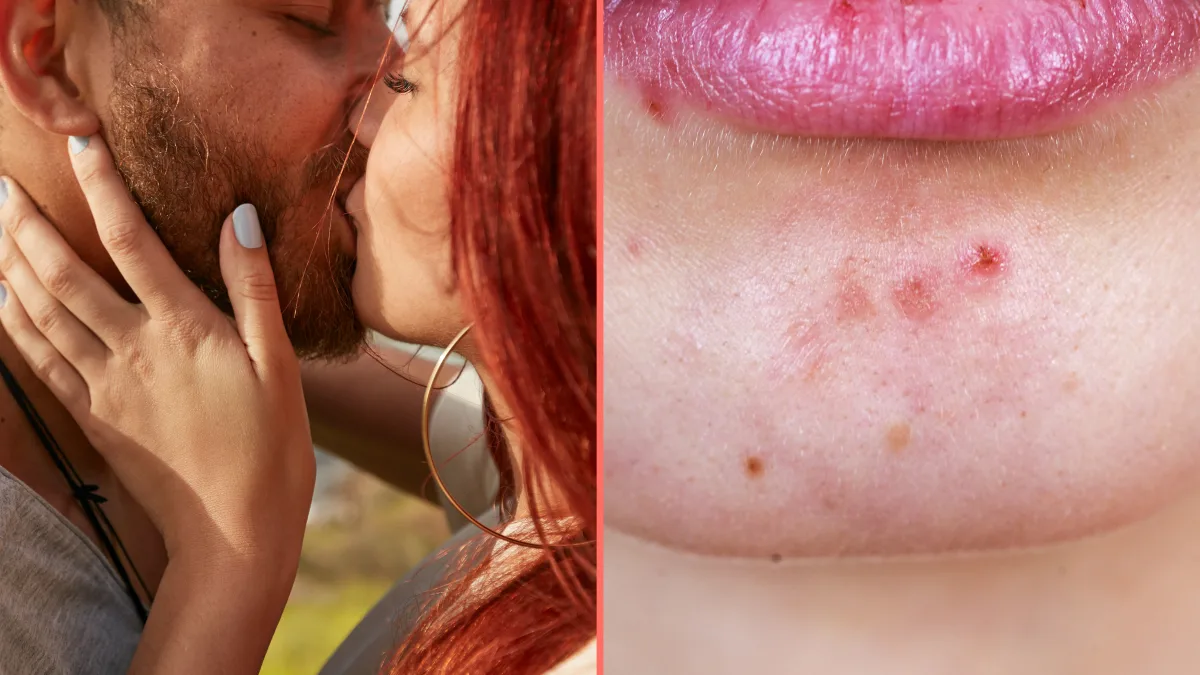
“Also, a key difference with skin tags and warts is that skin tags are not contagious whereas warts are very easily spread from person to person.”
They can develop anywhere on the body, although Dr. Jenkins says they are more common on the neck, groin, and armpits, and research by Excilor backs this up.
- 42% said it appeared on the neck
- 36% said it was on the underarms
- 16% had it occur on their back
- 13% found it on their arms
- 7% said it developed around their eyes.
Causes
When it comes to how skin tags develop, data by Excilor has found that 35% of people think age influences the development of skin tags, 25% say they are caused by a lack of skin care, and 22% say they’re down to an unhealthy diet.
Only 22% believe skin tags are caused by being overweight, and another 21% blame friction.
Other factors including poor hygiene (19%), smoking (12%) and simply being female (8%) also featured on the respondents’ list of reasons for developing skin tags.
“Both genders can develop skin tags, however, older people and those who are overweight or have type 2 diabetes are at a higher risk. Pregnant women who are going through hormonal changes are also at a higher risk of skin tags,” explains Dr Jenkins.
“Skin tags are essentially made of collagen, a protein-type which is abundant in our body.”
While skin tags are not usually a source of pain, people still opt to have them removed, with 26% choosing to have their skin tag removed by a health professional for a variety of reasons.
45% admitted they had theirs removed as it was catching against things, 35% confessed it was because it was situated in an awkward position, and 19% had one removed due to embarrassment around its visibility.
The research found that skin tags, while they aren’t commonly known to be painful, appear to cause some discomfort for some as 20% said they got their skin tag removed as it was painful, 16% said it was because it was infected, and 11% said it was inflamed.
It also recorded that 24% of skin tag sufferers have used an over-the-counter treatment product as recommended by pharmacists.
“Removal of a skin tag should be done properly with a skin tag treatment, or by a professional,” Dr Jenkins advises.
“Bigger skin tags need to be removed by a professional, however, visit your GP if you’re unsure.”
READ MORE:
- The five benefits of eating dates during pregnancy
- Four Instagram accounts to follow if you’re struggling with body confidence post-baby
- Psychologist shares five things your child with ADHD wants you to know
- Woman shares pocket money-saving system all kids should be taught from a young age