You could save money with these three financial payments
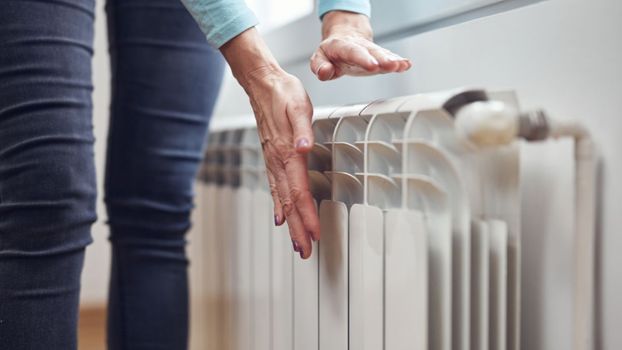
With autumn officially upon us, it’s starting to get darker and colder. Therefore, it is likely that Irish households will see an increase in their electricity and heating bills.
Even though a nice, warm house can be cosy, autumn and winter can be a financially difficult time. However, did you know that there are several schemes and payments people can be eligible for, which can help make ends meet?
Financial aids include the Additional Needs Payment, the Fuel Allowance, and the Household Benefits Package, which are all readily available for those who may need financial assistance during these cold months, per Extra.ie
So, let’s break it down.
Additional Needs Payment
The Additional Needs Payment is a once-off social welfare payment, which is available to those unable to pay an expense from their weekly income.
If you’re working in a low-income job or if you’re in receipt of social welfare, you may be eligible for the payment, which can be used for both the Exceptional Needs and the Urgent Needs.
The payment is made on an applicant-by-applicant basis.
To be eligible, you must be living in Ireland with a weekly income limit per household ranging from €444 to €1,412, depending on how many children are included in the household.
Expenses which could be covered by this scheme include fuel, electricity, essential property repairs and even bedding or cooking utensils for first-time homeowners.
Applicants can apply through the MyWelfare.ie portal (using a verified MyGovID account).
You can also make an appointment with the local Community Welfare Officer, who will assess your application.
Fuel Allowance
The fuel allowance is typically paid in two lump sums or 28 weekly payments made throughout the winter months.
To be eligible for this payment, you must be over 66 or under 66 but be in receipt of a qualifying social welfare payment.
The current rate of pay is €33 a week, and the season, which began on Monday, September 22, 2025, will run until April 2026.
Only one payment can be issued per household.
Household Benefits Package (HBP)
This scheme is set in place to help with the cost of electric bills, gas bills, and the TV license.
Again, only one payment is issued per household.
If you’re eligible, the payment is either issued as credit to the energy supplier or deposited into your bank account.
This package includes electric, gas allowance of €35, as well as a free TV licence.
Those over the age of 70 and living in Ireland are eligible for the qualification, and the bills must be in your name if you’re applying for the scheme.
Those under 70 can still qualify in certain cases:
Those under the age of 66 and in receipt of the following could be eligible:
- State Pension (Contributory)
- State Pension (Non- Contributory)
- Widows, Widowers or Surviving Civil Partner’s (Contributory) Pension
- Deserted Wife’s Benefit
- Carer’s Allowance (full or half-rate payment) — you must be living with the person you are caring for
- Ordinary Garda Widow’s Pension from Department of Justice
- Equivalent Social Security Pension or Benefit from a country covered by EU Regulations or a country which Ireland has a Bilateral Social Security Agreement
However, in some cases, if you’re under the age of 66, pass a means test, and receive the below, you are also eligible for the scheme.
- Disability Allowance
- Invalidity Pension
- Blind Pension
- Incapacity Supplement with Disablement Pension
- Carer’s Allowance — you must be living for the person you are caring for
- Equivalent Social Security Pension or Benefit from a country covered by EU Regulations or a country which Ireland has a Bilateral Social Security Agreement.
Applications can be made via MyWelfare if you have a MyGovID account. You can also fill in the Household Benefit Package application form and return it to the Household Benefits Package section of the Department of Social Protection.