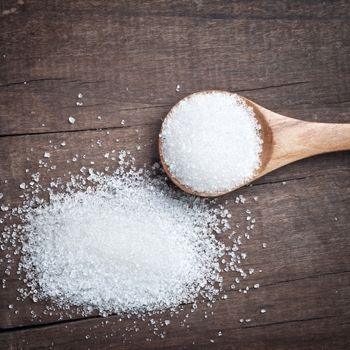
A new pilot study in the UK suggests kids are consuming up to 50 per cent more sugar than the recommended daily allowance.
The study, undertaken by Public Health England, found that when fifty families were shown a series of ways to swap sugary treats for healthier food and drinks, the families reduced sugar intake by up to 40 per cent.
They were urged to swap sugary cereals with a plain wholewheat biscuit, giving yoghurt instead of ice cream for dessert, and swapping sweet drinks for sugar-free drinks.
Current guidance from the World Health Organisation recommends that less than 5 per cent of our total energy should be from sugar.
And, while we’re all aware of the high-sugar foods to avoid — buns, biscuits, chocolate, cake, sweets and soft drinks, the issue is that we’re consuming sugar in unlikely foods that are being considered healthy and marketed as so-called ‘healthy’ alternatives, which are just laden with hidden sugars.
Sugar is actually being labelled the new tobacco in health circles, according to Early Childhood Ireland. The statistics, in relation to childhood obesity in Ireland, are frightening.
One-in-five Irish children (aged five years) are considered overweight or obese. While there are many causes, including more inactive lifestyles today, consuming too many calories in sweet treats and drinks is the major problem.
They suggest some easy steps to reducing sugar intake in your family’s diet:
1 Watch out for sugar in drinks. You’d be surprised exactly how much sugar is in diluted fruit drinks suggested for kids. Make an easy change, keep chilled water in the fridge with slices of lemon, lime or orange in it instead. Or add fresh mint or cucumber for a burst of freshness.
2 Carry a bottle of water with you at all times so you can offer it to your kids, instead of buying something while you are out.
3 Watch out for the sugar content in snacks. Fat-free doesn’t mean sugar-free, especially when it comes to yoghurt. It’s often laden with sugar to keep flavour and texture when fat is removed. A 150g serving of some 0% fat yogurts can contain as much as 20g of sugar – the equivalent of five teaspoons.
4 Shop-bought tomato pasta sauces are packed with sugar. It’s usually added to make the sauce taste less acidic. A third of an average-sized jar, roughly 150g, can contain over 13g of sugar. That’s roughly three teaspoons of sugar.
5 Coleslaw is mostly shredded vegetable, but also comes with an added serving of sugar. One tablespoon of a shop-bought coleslaw, roughly 50g, can contain up to 4g of sugar. A couple of spoonful’s on your plate is equivalent to two teaspoons of sugar.
6 Cereal – a Which? Survey of fifty top selling cereals found that thirty two of them had a very high sugar content. The worst culprits were cereals that are marketed to children. Only two out of the fourteen children’s cereals looked at, Weetabix and Rice Krispies, were not high in sugar. Kellogg’s Frosties topped the tables with thirty seven per cent of the product weight being sugar. The same goes for cereal bars – do not be fooled by healthy marketing campaigns – always read the label.
7 Bread – for most children, bread is central to their diet. The sugar content in the average slice of processed bread varies but can be as high 3g. Some sugar is formed naturally in the baking process, but it is often added too.
Read the labels and follow the rule of thumb: AVOID feeding your kids processed foods as much as possible.
We love this video of Robert Lustig’s lecture, Sugar: The Bitter Truth. Back in 2009, that sparked the global kickback against sugar.
The Professor of Paediatrics at the University of California is also the author of Fat Chance: Beating the Odds against Sugar, Processed Food, Obesity and Disease. A must-read. He argues that the low-fat, processed diets we’ve been consuming since the 1980s are killing us. Sugar, he says, is the toxic element.
Watch this when you have some time to take it all in. It will change the way you choose what you feed your family forever.
We hope the UK pilot study might be carried out by the HSE soon, before obesity and diabetes figure shoot up more. Watch this space.